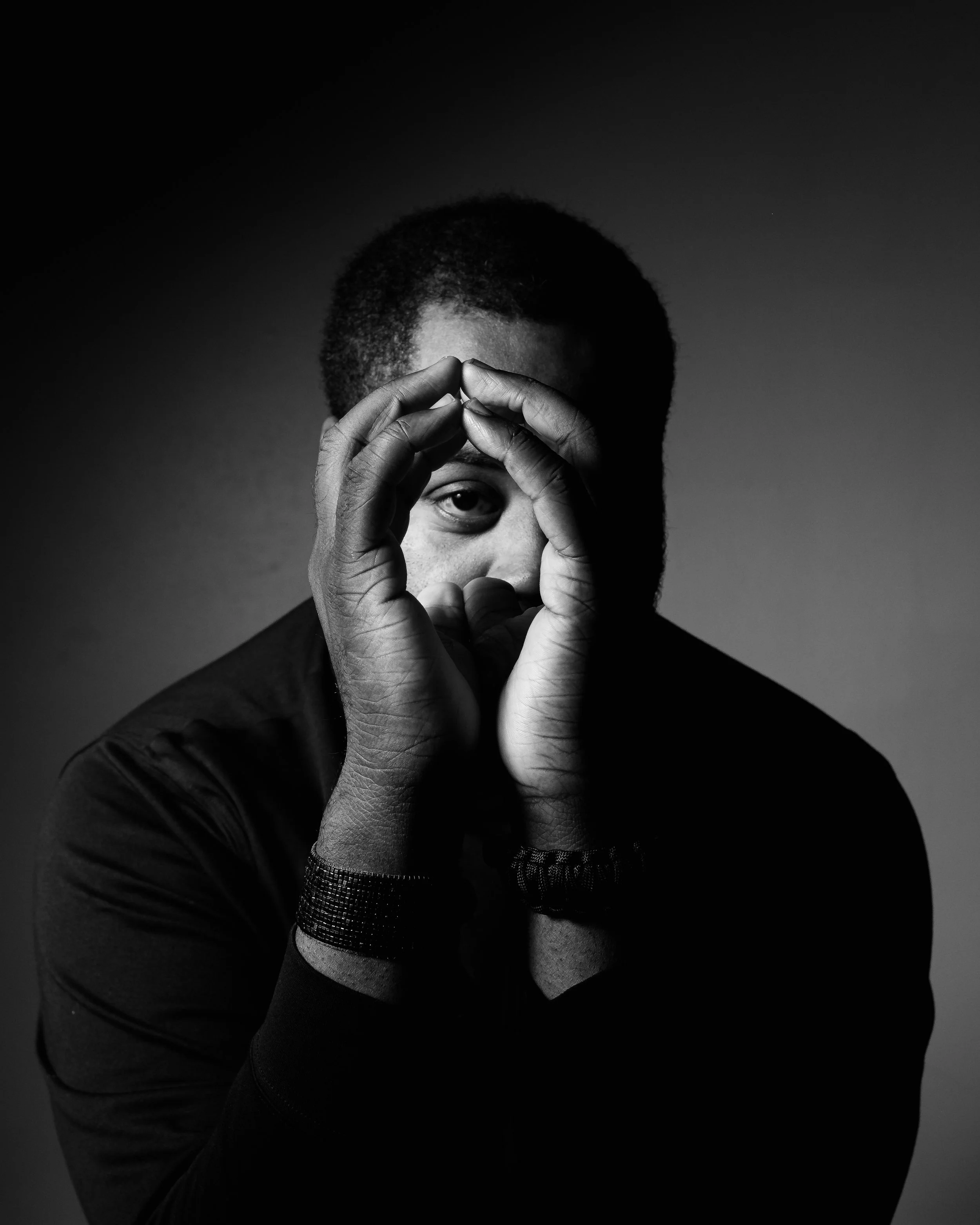
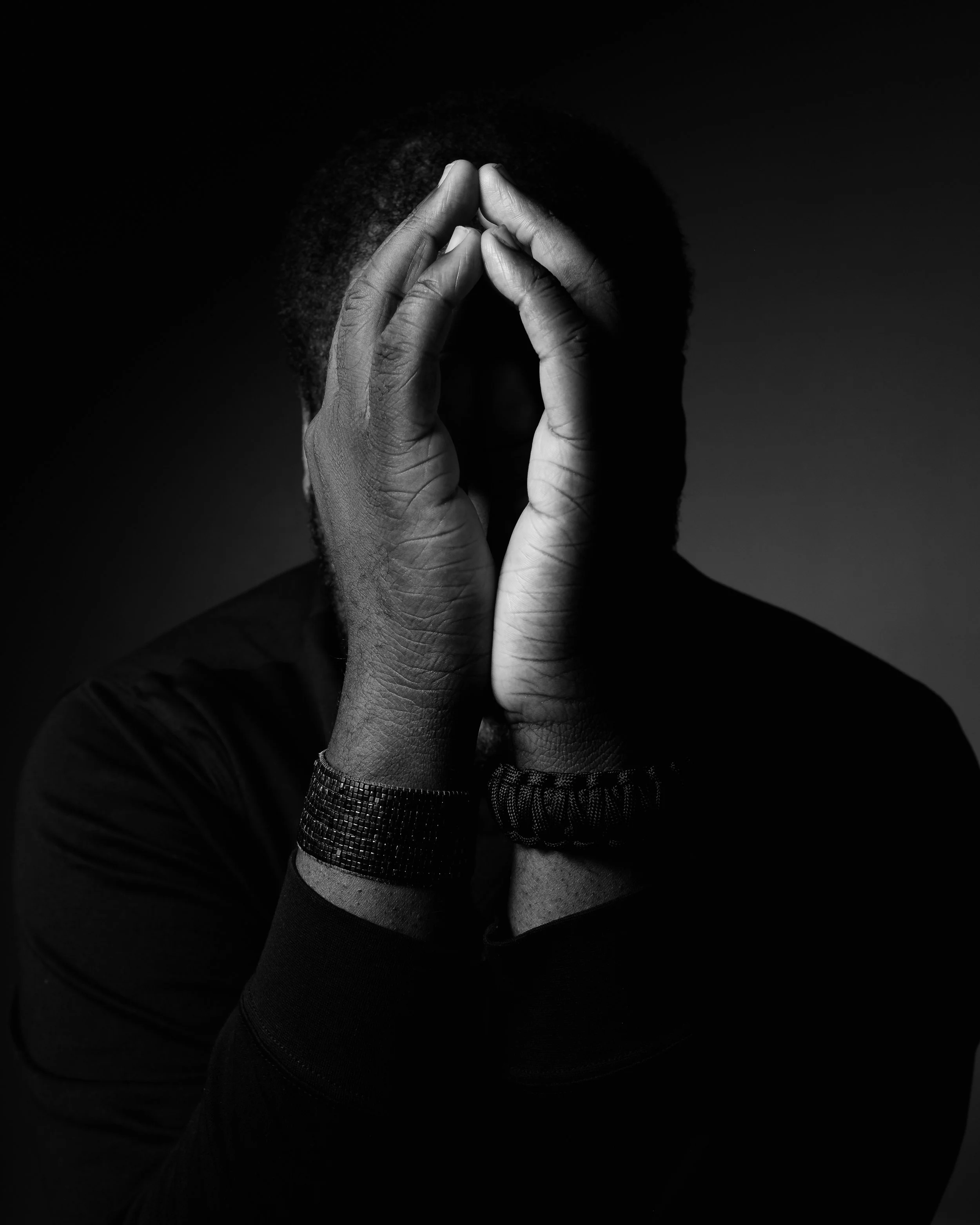
To See
I was diagnosed with Type 2 diabetes in 2018. That was a day I’ll never forget. I was working for Delta Airlines when I started feeling an intense pain that made it nearly impossible to sit or stand. Imagine trying to calm an angry passenger while feeling like you’re literally sitting on fire. Eventually, I had to hang up the phone, leave work, and go to the hospital. Moments later, I received my diagnosis: I was diabetic.
Since then, living with diabetes has been one of the greatest challenges of my life. Even with medication and diet changes, my body has always been unpredictable. Some days I wake up nauseated, weak, or covered in random wounds. Other days, I feel almost normal, until I don’t. Diabetes teaches you to expect the unexpected.
Recently, my journey has taken a frightening turn. I was diagnosed with diabetic retinopathy, a complication of diabetes that damages the blood vessels in the retina, the part of the eye that senses light. Over time, high blood sugar weakens these vessels, leading to leakage or abnormal growth. The result can be blurred vision, dark spots, cloudy sight, and even blindness if left untreated.
One morning, I woke up and realized that about 85% of my vision was impaired. All I could see were dark red and black spots. My eyes were bleeding from the inside. Though the bleeding has since slowed, my vision remains clouded by a yellowish, milky haze. Reading, writing, driving, and even walking is difficult. Every simple task now feels dangerous and uncertain.
The thought of losing my vision completely terrifies me. Many of my relatives have gone blind due to diabetes, and I’ve seen how devastating that loss can be. I’ve already had to give up my jewelry business because I can no longer see the fine details of my work. I drive less, rely more on touch to identify things, and struggle to see the faces of people I love through the fog that clouds my eyes.
Thankfully, there is hope. My ophthalmologist has recommended laser surgery on my left eye to reduce bleeding and prevent further vessel damage, along with retinal detachment surgery and cataract treatment on my right eye. These surgeries, along with ongoing injections and careful blood sugar management, could help preserve my sight. But the costs are overwhelming, and time is critical. I’ve never had surgery before, and I’ll admit that I’m scared. Yet the thought of never seeing again is even scarier. The idea of losing the ability to create, to drive, to see my loved ones, that’s a grief I carry every day. Still, I try to find gratitude for the vision I have left, and I’m determined to fight for it.
Friends and coworkers check in on me, but it’s still hard to explain what I’m going through. Why I move differently, why I squint or take so long to focus, or why I sometimes need an iPad to read at work. Even my mental health has taken a hit, and I’ve had to increase my antidepressant dosage to cope. Yet through it all, I’m grateful for those who remind me I’m not alone.
Diabetic retinopathy is one of the leading causes of blindness, but with timely treatment, vision loss can often be slowed or even prevented. Tomorrow, I’ll undergo laser treatment on my left eye, the first step toward saving my sight. My goal is simple yet urgent: to preserve my vision so I can continue to live, work, and create.
This is my only vision right now. To keep my eyesight and my hope alive.
I have started a Go Fund Me campaign where you can support by sharing anf donating. Every dollar counts and is greatly appreciated.